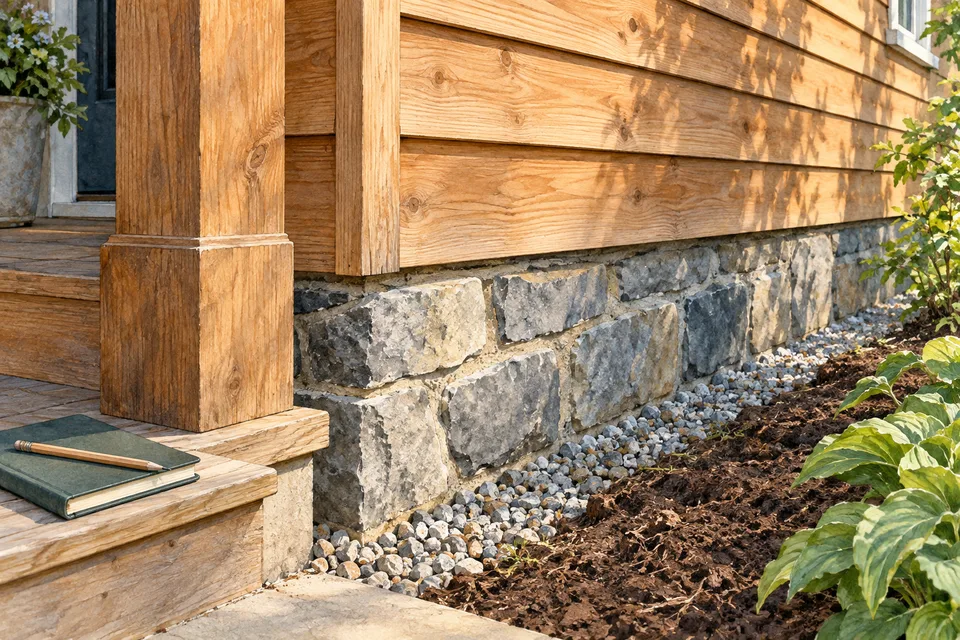
Mouse signs in a basement or garage
How to organize mouse sightings, storage damage and access details before arranging a rodent assessment at a Rockland County property.
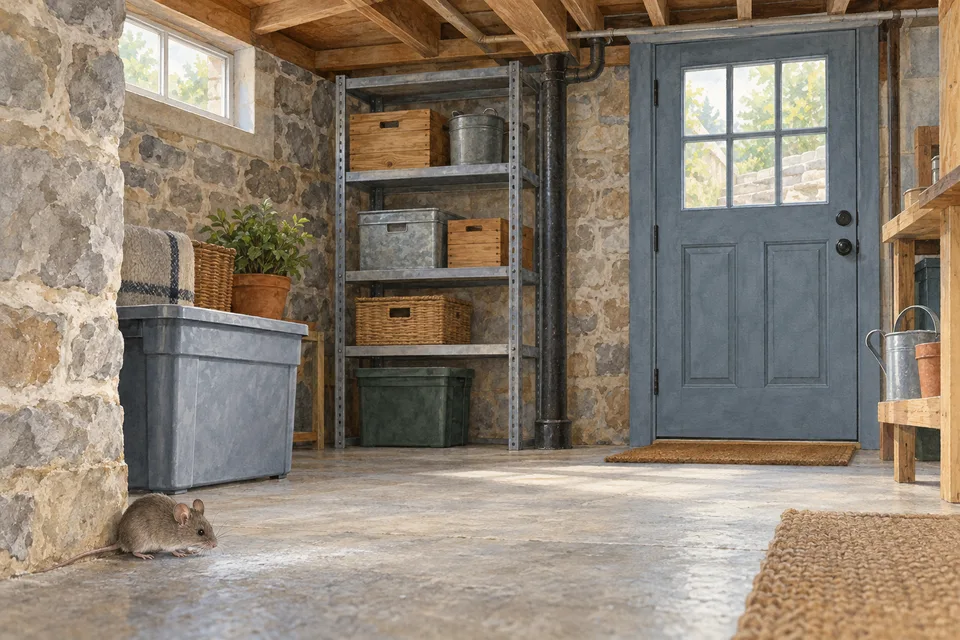
A sighting and a sound are different evidence
A mouse crosses the garage floor, but the scratching you hear is above a basement ceiling. It is tempting to combine the two into one explanation. Instead, make a short record for each observation: the place, the time and what you actually saw or heard. This gives an assessment a clearer starting point and avoids treating an unidentified sound as a confirmed mouse.
Start with the signs you already have
The EPA lists droppings, damaged food packaging and nesting material among possible rodent signs. Describe where those signs were found without assuming they reveal every entry route. An existing photograph of the location can be useful. You do not need to open a wall or enter an unsafe crawlspace to make an enquiry.
Include storage outside the kitchen
A garage, shed or basement may contain pet food, seed or stored belongings. Tell the person arranging the visit which structures are involved and whether they are attached to the house. An accessible exterior assessment, indoor monitoring and repairs are different parts of a proposal; ask which are included.
Make the next visit easier to arrange
Note locked doors, blocked wall edges and the person who can approve access. Ask for preparation instructions before shifting heavy shelving. If a landlord or contractor will handle repairs, agree who receives the findings. The practical question is not just whether activity is addressed today, but how entry concerns and later observations will be followed up.
Illustration created for this guide; it is not a photograph of a customer property.