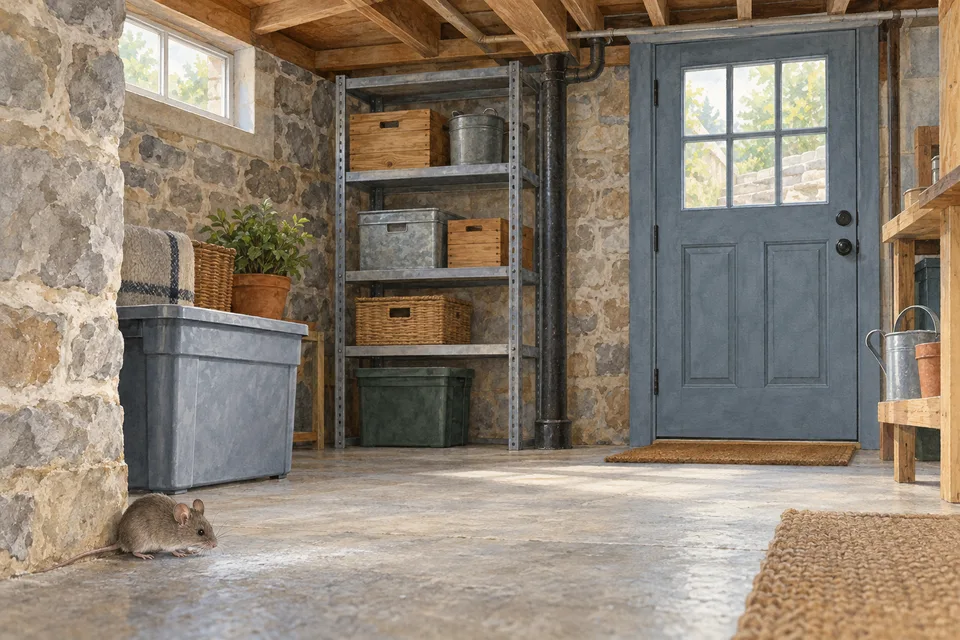
Wood changes that deserve a closer look
What to record when you find wings, tubes or changed wood, and which inspection, treatment and repair questions to separate.
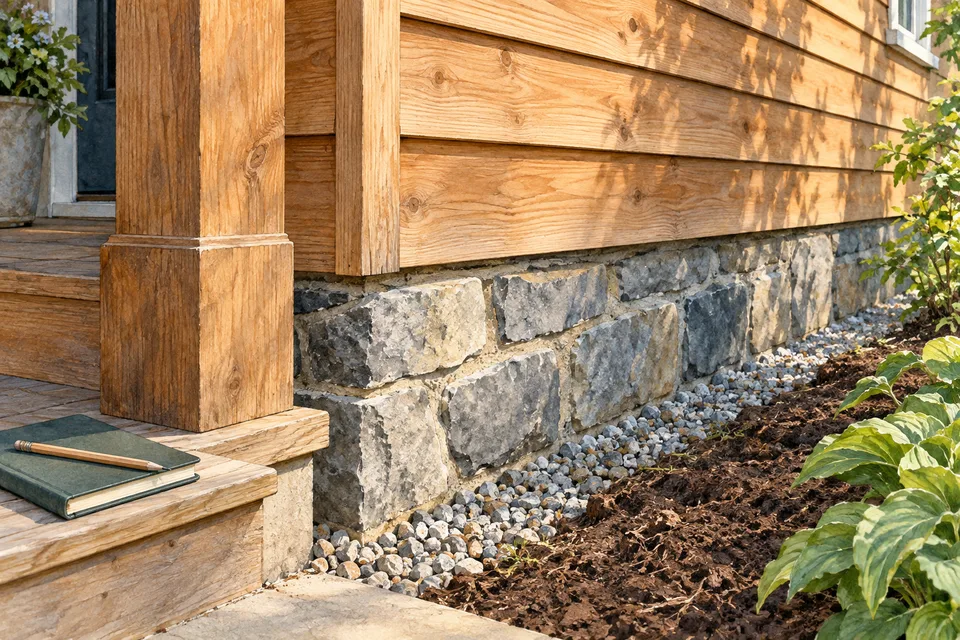
Record the location before naming the pest
You might notice loose wings by a window, a mud-like line at a foundation edge or changed wood during repairs. Describe the exact location and when it was exposed. These observations are useful, but they do not establish the cause or reveal the condition of hidden timber. Avoid opening structural areas simply to gather more evidence.
Winged ants and termites are not interchangeable
The EPA explains that wing shape and antennae help distinguish ants from termites. Let identification guide the next step rather than choosing a termite treatment from the presence of wings alone. An existing close photograph may help begin the discussion, while a property assessment establishes what can actually be examined.
Bring the building history into the conversation
Mention known leaks, earlier pest reports and any planned renovation. If work will conceal an affected area, explain the schedule before arranging the visit. Keep a copy of previous documents so the person assessing the property can understand the history without relying on a remembered product name.
Separate three different requests
Inspection, pest treatment and structural repair are not automatically one package. Ask which accessible areas will be inspected, what findings would justify treatment and who handles repairs. If you need a report for a sale or refinancing, name that requirement and deadline explicitly. Confirm documentation, follow-up and any warranty terms in writing.
Illustration created for this guide; it is not a photograph of a customer property.